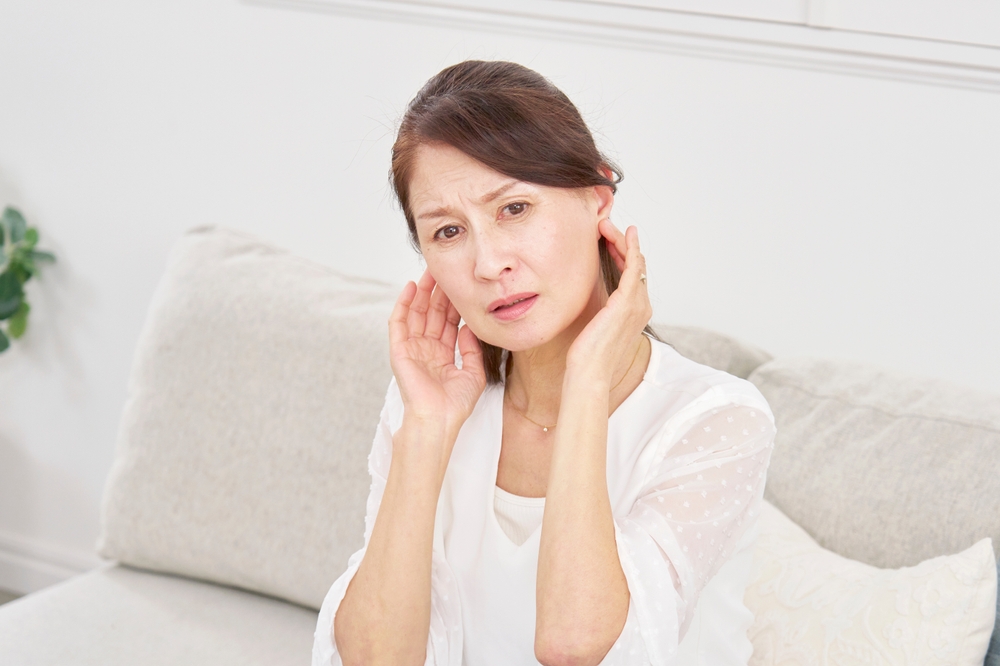
Realizing your hearing sharpness has disappeared overnight is a jarring and confusing event. When hearing fades without a distinct trigger or preliminary alert, the resulting disorientation is profound. Though certain triggers are transient and easy to resolve, others necessitate urgent clinical assessment.
Understanding the most common causes of abrupt hearing loss and understanding how to act can be vital in the outcome. Below, we examine the traits of abrupt hearing impairment along with clinical guidance on contacting a specialist.
The Clinical Definition of Sudden Hearing Changes
We define sudden hearing loss as a distinct drop in hearing sensitivity occurring nearly immediately or over a three-day period. While most patients experience this in one ear, it can occasionally manifest in both at once. Some people notice muffled sound, while others experience a ringing sensation known as tinnitus, fullness in the ear, or difficulty understanding speech.
Navigating SSHL: A Medical Priority
Sudden sensorineural hearing loss is one of the most urgent causes to evaluate.
This auditory issue arises from irregularity within the inner ear, the auditory nerve, or the brain’s processing centers. While a definitive cause may be hard to pin down, the following factors frequently play a role:
- Compromised circulation within the cochlear system
- Systemic inflammatory triggers or autoimmune reactions
- Viral infections
- Neurological factors
Medical experts classify SSHL as an emergency because immediate therapy improves the chance of a full recovery.
Viral Infections
Various viruses have the potential to damage hearing permanently by triggering inflammation in the auditory nerve.
Frequent viral triggers tied to sudden hearing impairment are:
- Viral cold and sinus infections
- Systemic flu-related inflammation
- The herpes simplex or zoster strains
- COVID-19–related viral effects
Abrupt deafness can align with viral symptoms, often appearing with dizziness or a feeling of congestion.
Hearing Loss Resulting from Physical Injury
Major head trauma, abrupt pressure fluctuations, or acoustic shocks are known to damage the fragile components of the hearing system.
Physiological damage from injury often stems from:
- Severe head strikes and concussive events
- Acoustic or atmospheric barotrauma
- High-decibel acoustic trauma
- Physical displacement of inner ear fluids
Small impacts can impact hearing, especially if symptoms appear shortly following.
Impacted Cerumen and Hearing Blockage
While less serious than inner ear causes, impacted earwax can still cause sudden hearing changes.
When wax is the main cause, the hearing change may:
- Appear over a rapid duration
- Sensation of fullness or pressure
- Show a distinct one-sided bias
- Subside once the canal is properly cleared
Importantly, it’s not always easy to tell at home whether hearing loss is due to wax or a medical crisis. Consequently, an expert audiology assessment is non-negotiable.
Less Common Drivers of Sudden Hearing Impairment
Secondary factors that might trigger an abrupt change in auditory function involve:
- Medication side effects
- Circulatory or vascular conditions
- Systemic autoimmune attacks on the inner ear
- Rare growths on the hearing nerve
A thorough hearing evaluation helps rule out these possibilities.
Sudden Hearing Loss: Why Early Treatment Is Key
The most vital takeaway regarding rapid hearing changes is to avoid a wait and see approach.
Fast evaluation can:
- Determine if the hearing loss is clinically reversible
- Maximize the potential impact of clinical therapies
- Prevent further hearing damage
- Reduce long-term communication challenges
Audiology testing plays a key role in determining the type and severity of hearing loss and guiding next steps.
When Rapid Hearing Changes Require an Immediate Call
You should seek prompt medical or audiology care if you experience:
- An abrupt inability to hear properly in either ear
- Hearing changes with dizziness or imbalance
- Buzzing or pressure that appears suddenly
- Diminished hearing immediately following an accident or sickness
Even if symptoms improve, you still require a formal assessment to identify the root cause.
How Hearing Tests Provide Immediate Solutions
A professional test provides an immediate answer as to whether the impairment is:
- Conductive in nature, often caused by physical obstructions
- A sensorineural problem involving delicate neural pathways
- A transient condition or a lasting auditory change
The sooner testing occurs, the more likely you are to achieve a positive clinical outcome.
Why Immediate Action Is the Best Response
Abrupt hearing loss is bound to feel alarming, but the sooner you seek care, the more options you may have to address it.
Choosing to get evaluated immediately after a change in hearing ensures you are taking the right steps for your future. Our team is ready if you experience sudden hearing loss: Call our care team as soon as possible at our office for the help you need.