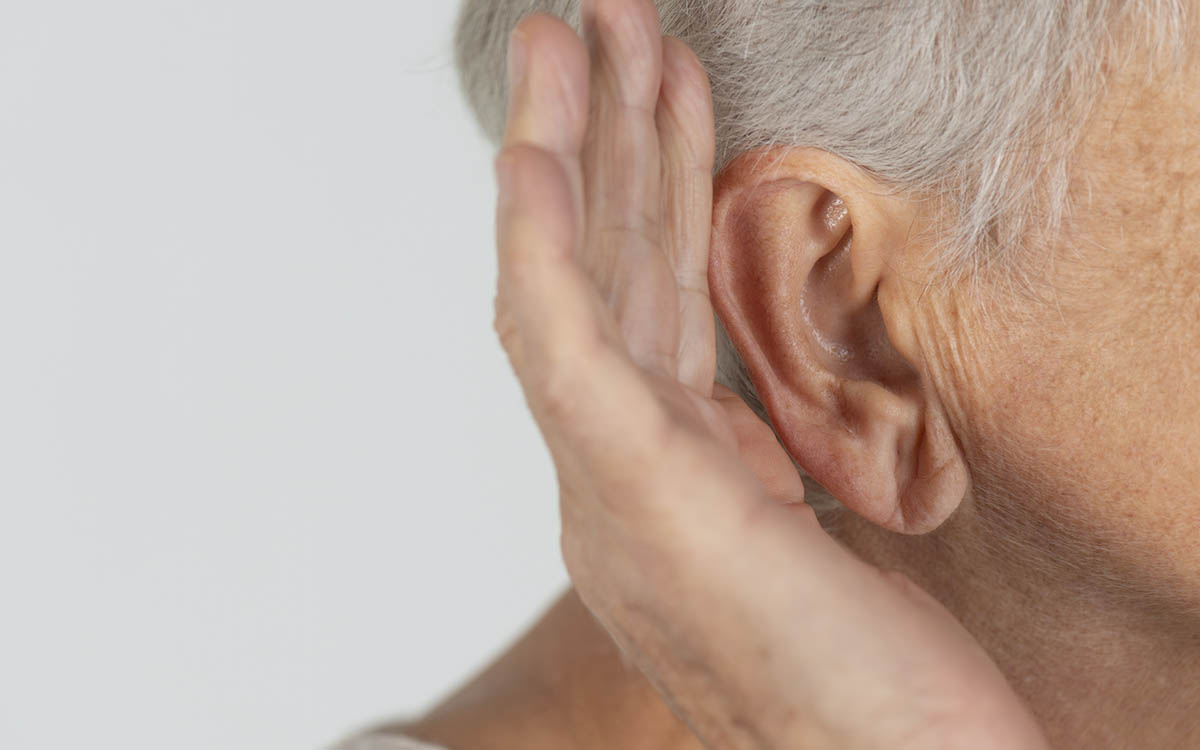
Public perception frequently ties hearing loss with getting older, though for a significant portion of the population, auditory trauma initiates much earlier in life. As one of the most prevalent and avoidable types of auditory impairment, noise-induced hearing loss typically progresses slowly, advancing subtly and remaining undiagnosed until the clinical effects are permanent.
An objective understanding of noise-related auditory impact over time allows for preventative measures prior to the onset of clinical hearing loss.
Pathophysiology of Noise-Related Auditory Trauma
The pathology of noise-induced hearing loss involves trauma to the sensitive anatomical structures within the inner ear. The Centers for Disease Control and Prevention state that, sustained or frequent exposure to sounds exceeding 85 decibels, such as heavy traffic, can initiate auditory damage. Louder sounds, like those from concerts, power tools, or firearms, can cause damage in minutes or even seconds.
The inner ear contains microscopic sensory receptors known as hair cells. These cells convert sound vibrations into electrical signals that your brain interprets as sound. Because hair cells cannot repair or replace themselves once damaged, hearing loss resulting from noise is generally a permanent physiological state.
Tracking the Incremental Progression of Ear Damage
A primary clinical concern regarding noise-induced hearing loss is its typically slow rate of progression. Initial signs of auditory overexposure may present as:
- Occasional instances of Tinnitus, characterized by ringing or buzzing sounds
- Sensations of dampened or muffled auditory perception following noise exposure
- Difficulty understanding speech in noisy environments
These early warning signs may fade, leading people to assume their hearing has “recovered”. In fact, chronic noise exposure causes ongoing trauma to inner-ear anatomy, leading to a progressive decline in hearing resolution.
The Hearing Loss Association of America reports that approximately 48 million Americans experience some degree of hearing loss, frequently with unidentified etiology.
Identifying Everyday Acoustic Risks Impacting Ear Health
Modern society is characterized by high ambient noise, which frequently leads to a lack of awareness regarding sound intensity. Due to this, the commonality of injurious sound exposure often goes unrecognized.
Commonly encountered risks include:
- Venues featuring high-decibel live music
- High-volume output from personal listening equipment
- Motorized landscaping equipment, power machinery, and vehicles
- Workplace noise in construction, manufacturing, or warehouses
The everyday occurrence of these sounds allows for progressive damage to develop without obvious warning.
The Reason Preventive Efforts Remain a Critical Priority
In contrast to certain medical conditions, noise-induced hearing loss is characterized by its permanent nature. However, it is highly preventable. Simple protective habits can significantly reduce risk, including:
- Using earplugs or noise-reducing earmuffs in loud environments
- Reducing personal audio volume and adhering to the 60/60 safety guideline
- Implementing quiet intervals to permit the auditory system to rest
- Scheduling regular hearing evaluations if you’re frequently exposed to loud noise
Indicators to Consult with Clinical Auditory Assessments
Patients observing ongoing Tinnitus, challenges in conversation, or shifts in auditory acuity should contact an Audiologist. Prompt clinical evaluation is vital for tracking auditory status and formulating effective hearing preservation plans.
Prioritizing auditory health now ensures the preservation of hearing clarity for the future. Environmental sound may be constant, but the development of hearing loss is not inevitable. Contact us to coordinate a comprehensive evaluation and ensure your auditory system is functioning at its peak.