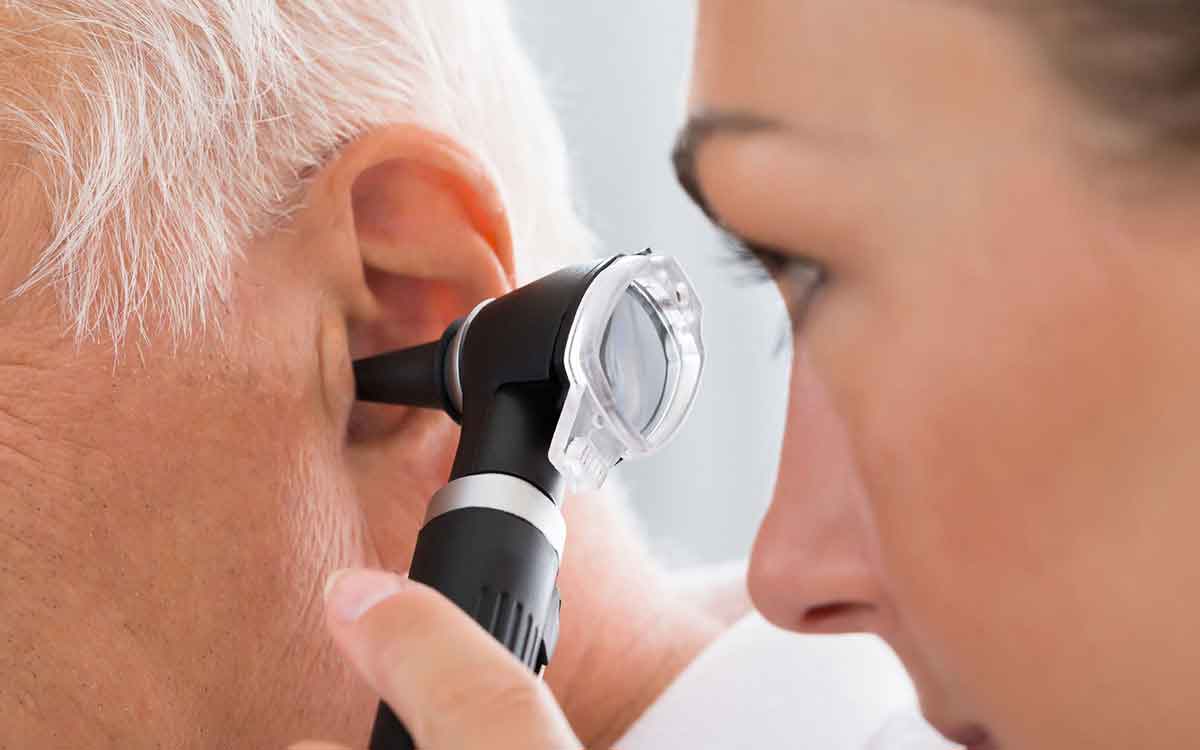
Hearing loss often develops gradually, making it easy to miss during the preliminary stages. Subconscious adjustments, such as elevating the phone volume or requesting verbal repeats, often mask the early progression of hearing loss.
Prioritizing an initial evaluation can help with protecting hearing health.
Frequent Indicators of Initial Auditory Decline
If you identify any of these early warnings, we suggest scheduling an audiological evaluation to determine your status.
- Reduced clarity during dialogue within high-noise areas.
- A regular need of asking for verbal repetitions during conversation.
- Muffled or unclear speech, making it difficult to distinguish specific sounds.
- Setting increased decibel settings for electronic devices than is typical.
- Trouble perceiving high-frequency audio, including high-frequency vocalizations, birds, or doorbells.
- Auditory sensations such as ringing, buzzing, or humming, known as tinnitus.
- Cerebral exhaustion following dialogue resulting from straining to follow speech.
- Isolating from communal environments since following speech feels taxing.
These early signs of hearing loss can affect either ear and may come and go at first. Because the brain adapts quickly, many people fail to recognize how much they’re compensating until hearing loss becomes more noticeable.
Auditory Health: Current Statistics and Projections
The World Health Organization reports that the need for hearing support will impact 700 million people by 2050. Other noteworthy statistics involve:
- By 2050, nearly 2.5 billion people are projected to experience some degree of hearing loss.
- Over 5% of the world’s population (430 million people) necessitates support to address disabling hearing loss.
- In excess of 1 billion young adults face the threat of permanent hearing loss resulting from unsafe listening practices.
- Among those over the age of sixty, more than one-quarter have disabling hearing loss.
Why Early Detection is Key
Failure to address auditory decline can affect general health and daily wellness.
Data confirms a connection between untreated hearing loss and risks involving dementia and diminished balance.
Identifying symptoms early on ensures optimal results and varied therapeutic choices.
An evaluation differentiates between noise damage, earwax buildup, or other health conditions.
Under certain conditions, hearing changes are temporary and reversible.
In others, early use of hearing devices or protective strategies can slow progression.
Guidelines for Consulting an Audiologist
It is advisable to seek an evaluation from an audiologist if:
- Symptoms persist for more than a few weeks.
- Changes in hearing interfere with work, relationships, or daily activities.
- Experiences with sudden decline, vertigo, or persistent ringing warrant urgent clinical attention.
Auditory screenings are comfortable and noninvasive, plus they offer critical data into your hearing health.
We invite you to contact our facility if you feel a hearing screening would be advantageous.
Frequently Asked Questions: Recognizing Auditory Decline
Question: Is aging the sole cause of hearing impairment?
Answer: Not necessarily. Although presbycusis is prevalent, auditory shifts can stem from noise trauma, ototoxic drugs, or genetic factors.
Question: Is it possible to restore lost hearing?
A: Some causes, like earwax buildup or infection, may be reversible. However, permanent types of hearing loss are often successfully managed with hearing aid technology or therapeutic strategies.
Q: How often should hearing be checked?
A: Adults should have a baseline hearing test by age 50, or earlier if symptoms or risk factors are present.