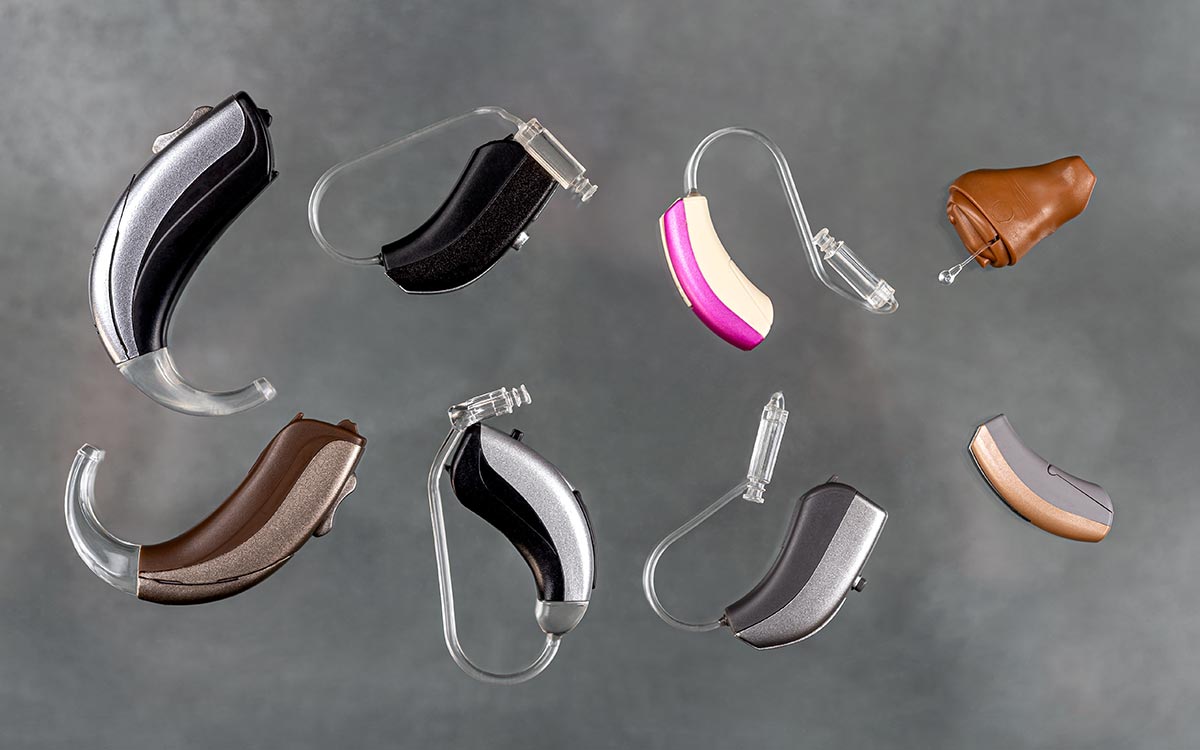
Selecting the right hearing aid can be a daunting task, given the wide array of styles, sizes, and technological features available in modern devices. Fortunately, there is an ideal hearing solution for every individual, regardless of their lifestyle or the severity of their hearing loss or tinnitus. It’s just a matter of finding it!
Feeling certain about your selection begins with knowing how different hearing aids function and compare. In this analysis, we look at current styles and the unique characteristics that define them.
The ITC (In-the-Canal) Style Explained
The Design:
ITC hearing aids rest partially in the ear canal, with an inconspicuous portion visible at the outer ear.
The Advantages:
- Offers an improved shape than bulkier behind-the-ear units
- Individualized molding guarantees long-term wearing comfort
- Works effectively for individuals experiencing mild hearing challenges
Because they provide both discretion and helpful features, ITC models are a top pick for those new to hearing technology.
IIC (Invisible-in-Canal) Engineering
Core Characteristics:
As the most discreet custom selection, IIC aids represent the smallest available style. They are inserted deep within the canal to remain hidden from view.
Why people choose them:
- The best option for patients prioritizing appearance
- Microphone placement assists in mimicking the ear’s natural sound collection
- An ultra-light design makes them easy to wear all day
Because of their tiny size, IIC devices typically work best for mild to moderate hearing loss and for those who prefer an almost invisible option.
Full and Partial ITE Varieties
What they represent:
ITE devices are built to reside in the outer ear area, offering two different shell sizes based on your anatomy. They are custom-made to fit the contours of your ear.
Why users favor ITE:
- An appreciably larger frame accommodates advanced tech and more powerful batteries
- Simpler to handle for those with dexterity challenges
- Suitable for mild to profound hearing loss
Many people prefer ITE devices because they offer an integrated, self-contained design that doesn’t hook over the ear.
Exploring BTE Styles
Functionality:
BTE hearing aids rest comfortably behind the ear. Audio is delivered through an ultra-fine tube or a personalized mold in the canal.
Key Strengths:
- Offers an enduring and versatile solution for various environments
- Effective for nearly every level of hearing impairment
- Offer space for advanced features and rechargeable batteries
For those who prioritize a dependable device that is easy to manage and provides plenty of volume, BTE is a top choice.
Receiver-in-Canal (RIC) Hearing Aids
Component Structure:
The RIC design keeps the main body behind the ear while moving the receiver into the ear canal itself.
Key Pros:
- Highly natural sound quality
- Users value the slim profile and comfortable fit for all-day use
- Excellent for many levels of hearing loss
The combination of design and high-end functionality renders RIC models a top choice in the modern market.
Extended-Wear Device Details
Operational Details:
These unique aids are built to live in the ear canal for an extended period or more, managed by your hearing specialist.
Why people select them:
- Eliminates the requirement to put in or take out the device every day
- Almost hidden
- Built to withstand the rigors of sleep, exercise, and showering without being removed
If you prefer a hearing solution that requires zero daily thought, the extended-wear style is perfect.
Wireless Smart Syncing
Digital Features:
Bluetooth-ready hearing aids enable a wireless digital bridge between your hearing technology and your smart devices.
Modern Benefits:
- Allows for crystal-clear voice calls and media streamed directly to the device
- Gives you the power to adjust your volume and programs via an electronic app
- Enhances everyday life by making technology engagement seamless and clear
Bluetooth features are accessible across many styles, including RIC, BTE, and some ITC models.
Understanding Middle-Ear Implant Systems
Procedure Info:
An operatively implanted device that physically vibrates the middle ear bones to amplify sound.
Why patients choose them:
- Serves as an essential substitute for those who find no success with traditional amplification
- Pleasant option for chronic ear issues related to traditional devices
These devices require a thorough medical review by an ear, nose, and throat expert.
Finding the Hearing Aid That Suits Your Lifestyle
Since each hearing aid design has distinct strengths, the best choice is based on your specific hearing needs, your daily activities, and your aesthetic goals. A hearing care professional can guide you through your options, answer questions, and help you experience how different devices look and feel.
Take the lead for your hearing health by booking a professional hearing evaluation today. Your future of confident communication starts with this first evaluation.
Sources:
https://www.mayoclinic.org/diseases-conditions/hearing-loss/in-depth/hearing-aids/art-
20044116
https://www.hearinglife.com/hearing-aids/types
https://www.nidcd.nih.gov/health/hearing-aids